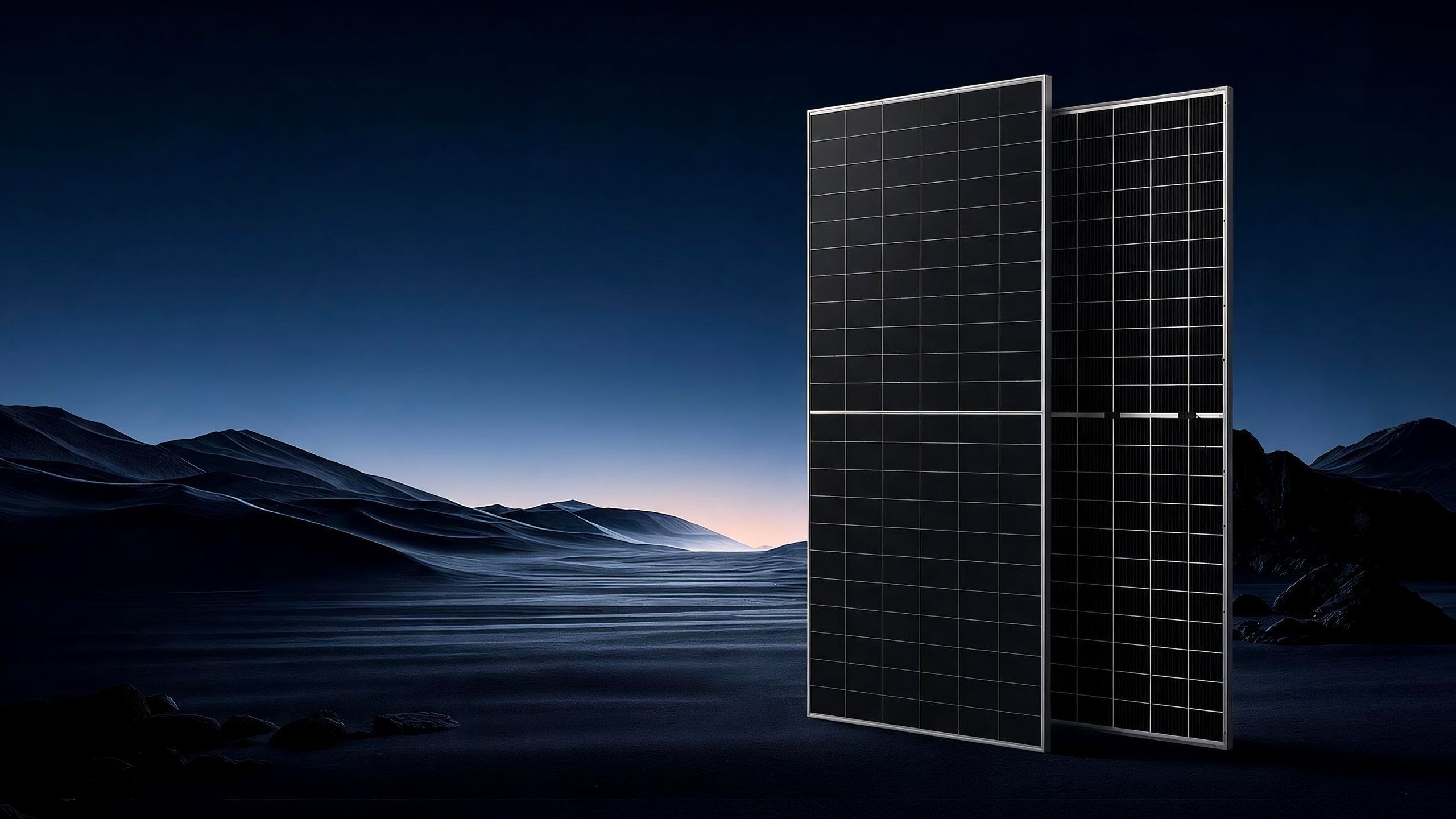
BCZenn Bifacial
Bloomchroma BCZenn Bifacial Back-Contact Solar Panels for Utility and C&I Assets
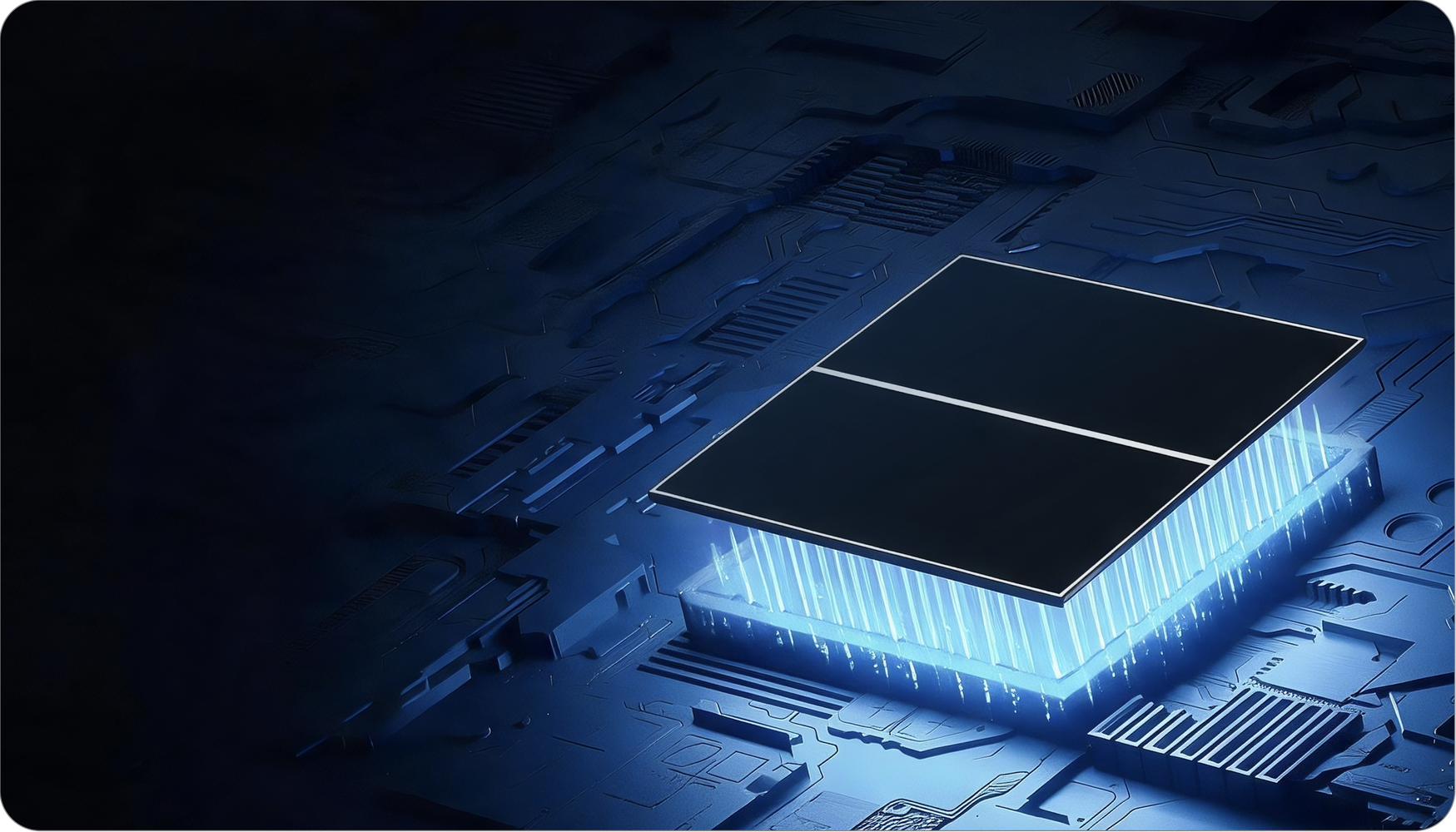
132 Half-Cut Back-Contact Cells
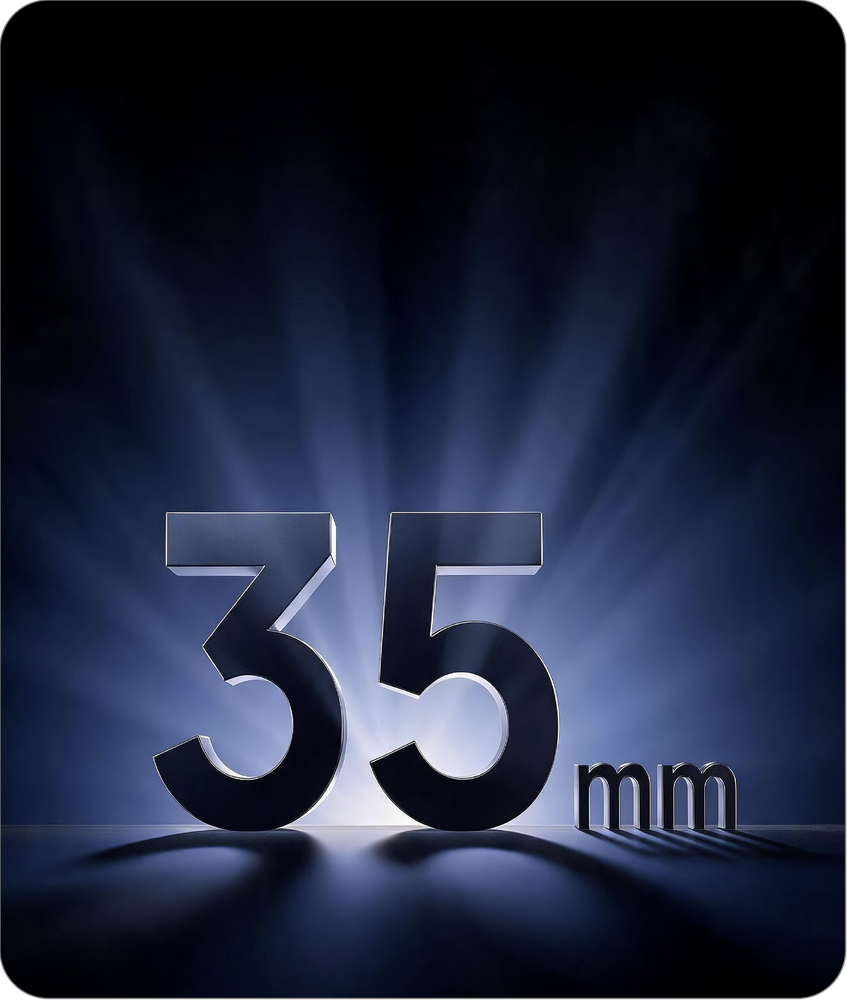
Impact Resistance
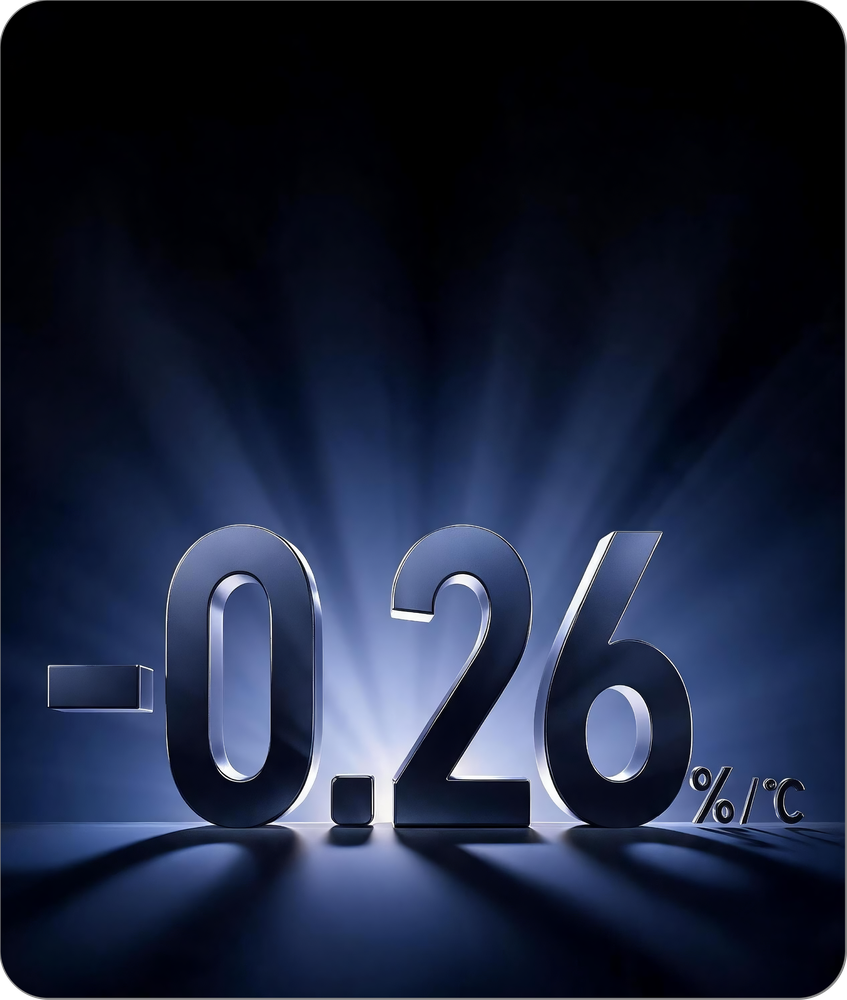
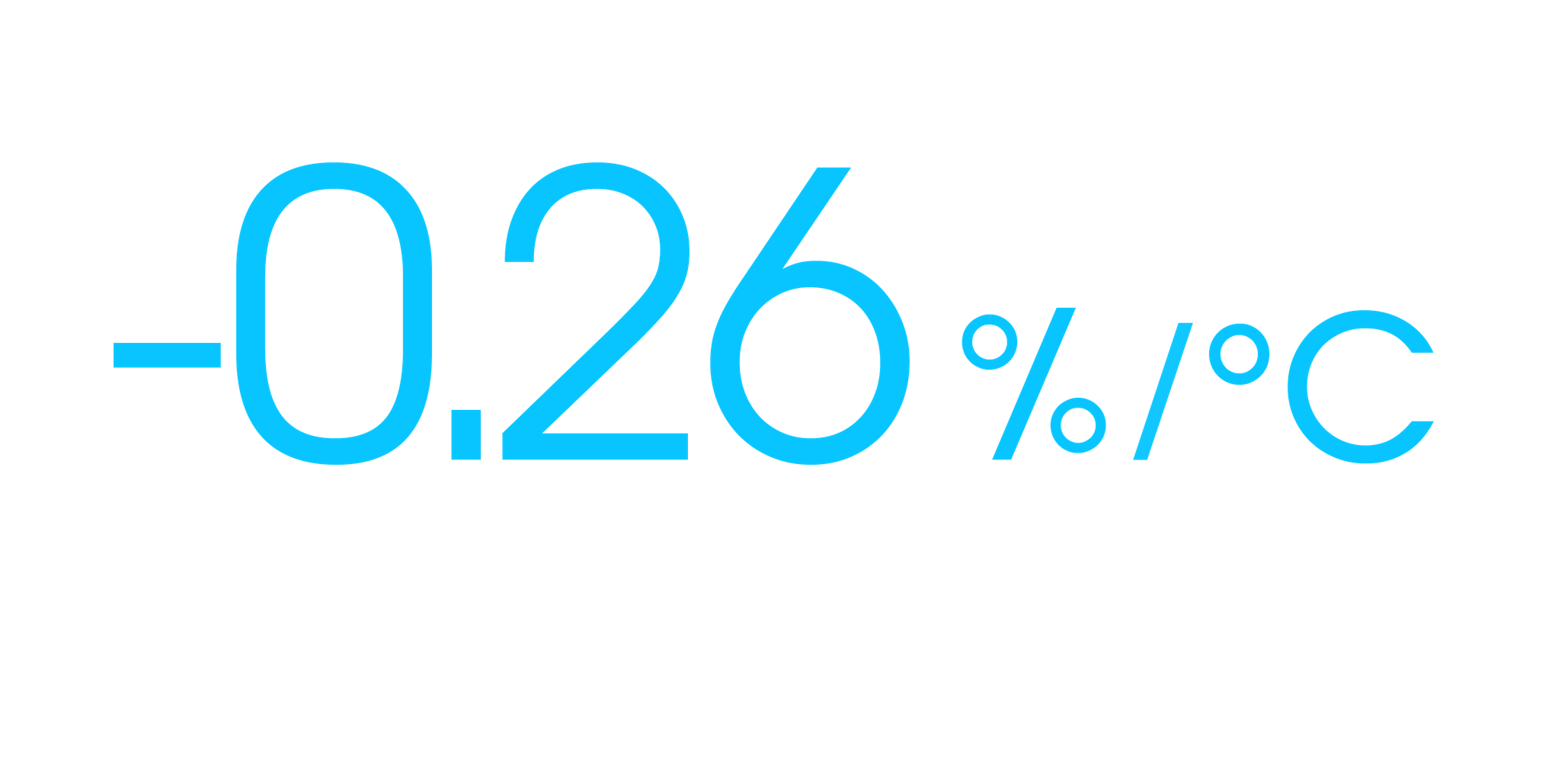
Temperature Coefficient
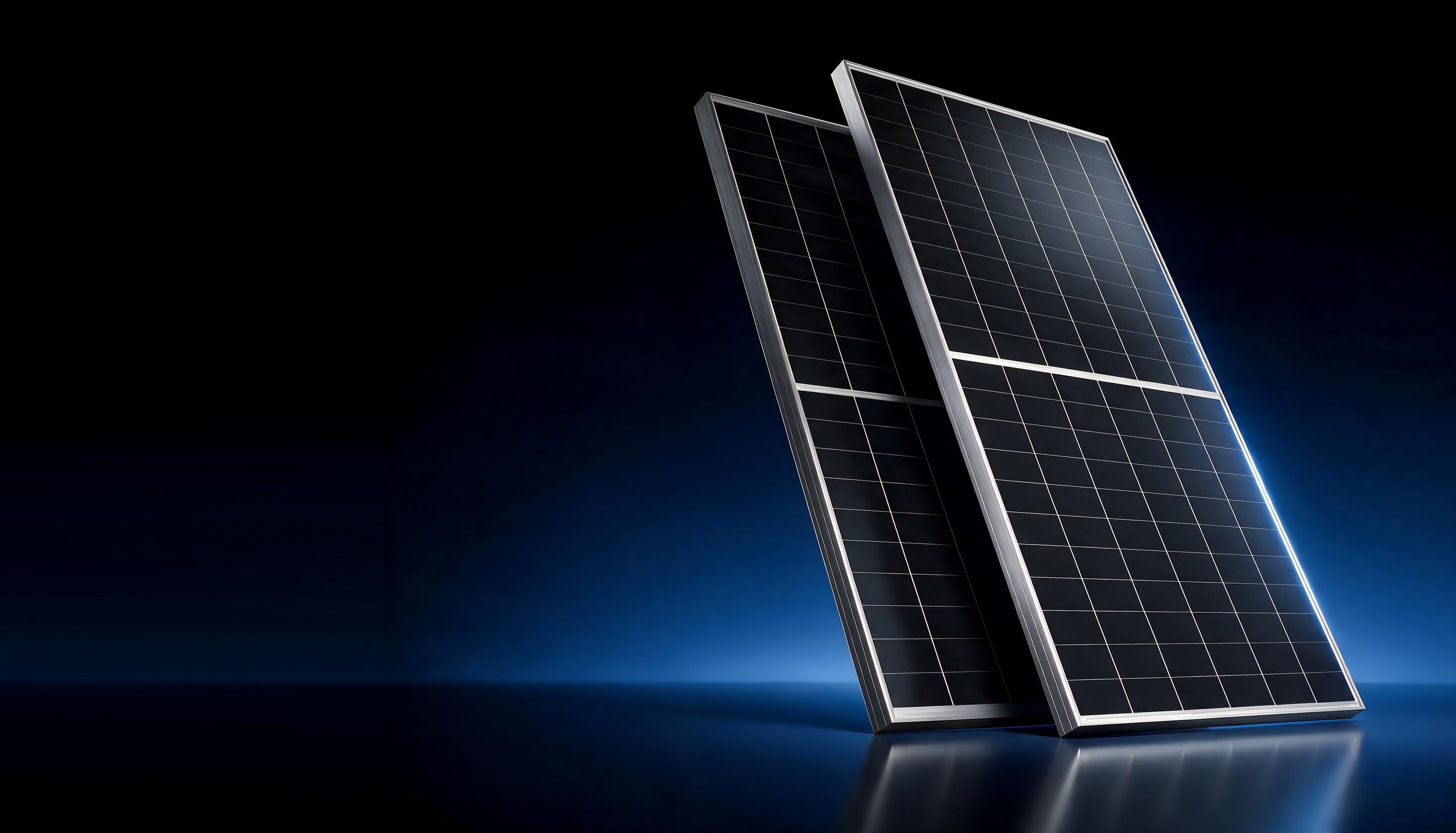
75% Bifaciality (+/-10%)

2.0 mm Framed Glass-Glass Construction
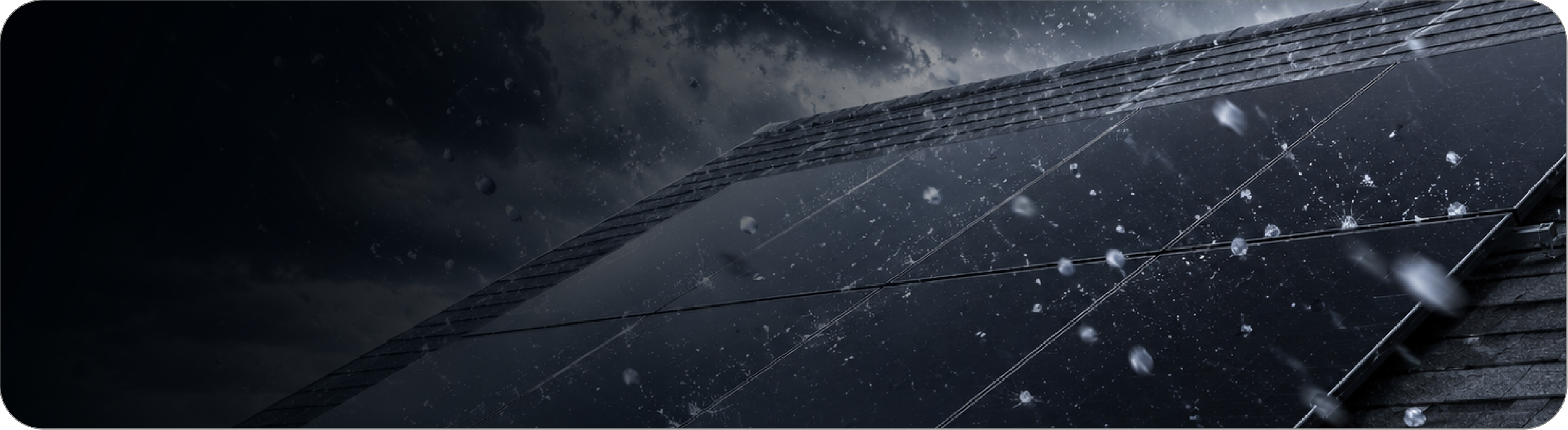
5400 Pa Snow Load 2400 Pa Wind Load

Market-Leading Efficiency
Back-contact design eliminates front gridline shading unlocking market-leading efficiency and maximum power density
BC-Z66G
665W Max. Module Power
24.6% Max. Module Efficiency
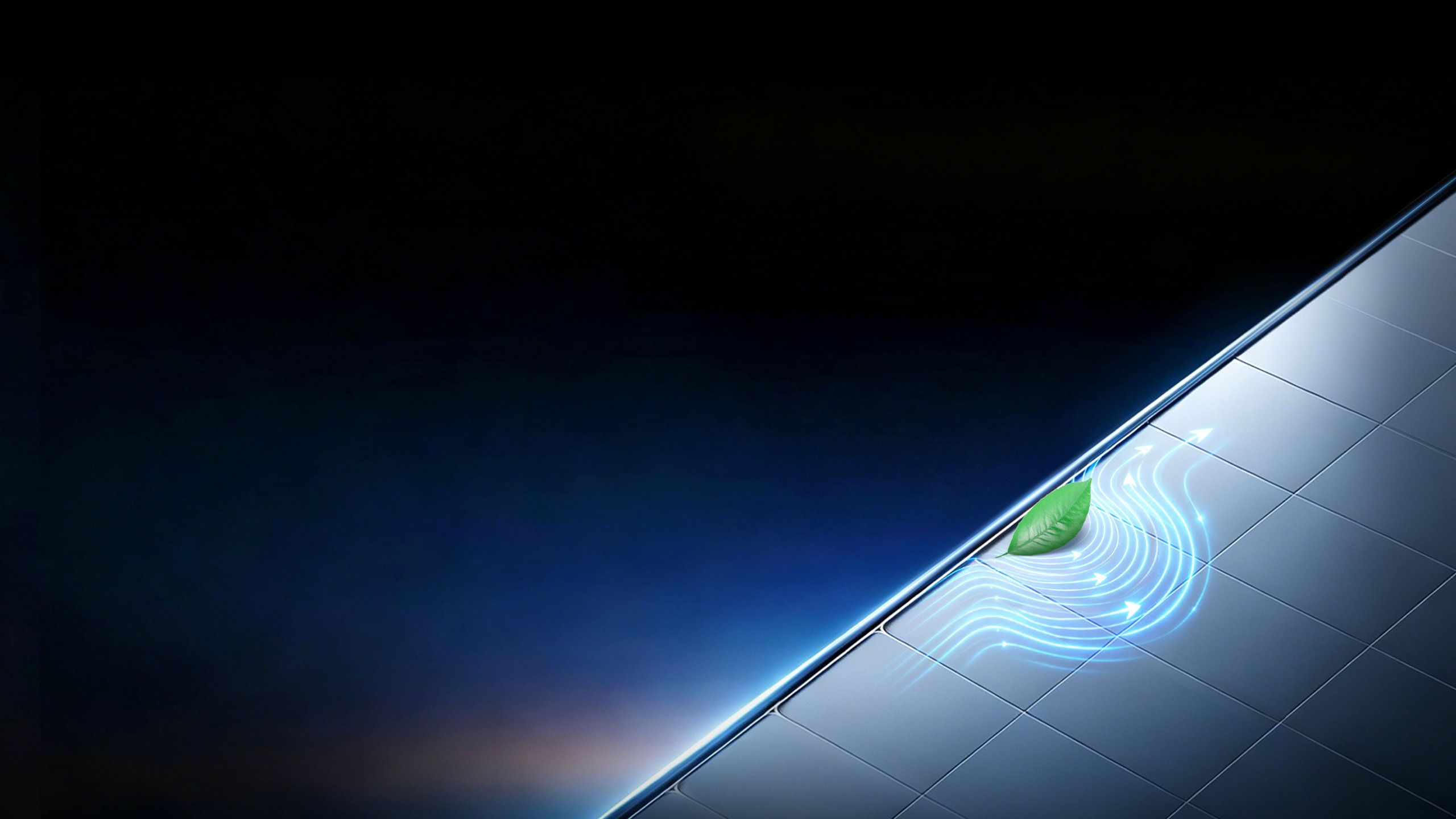
Advanced Hot Spot Protection
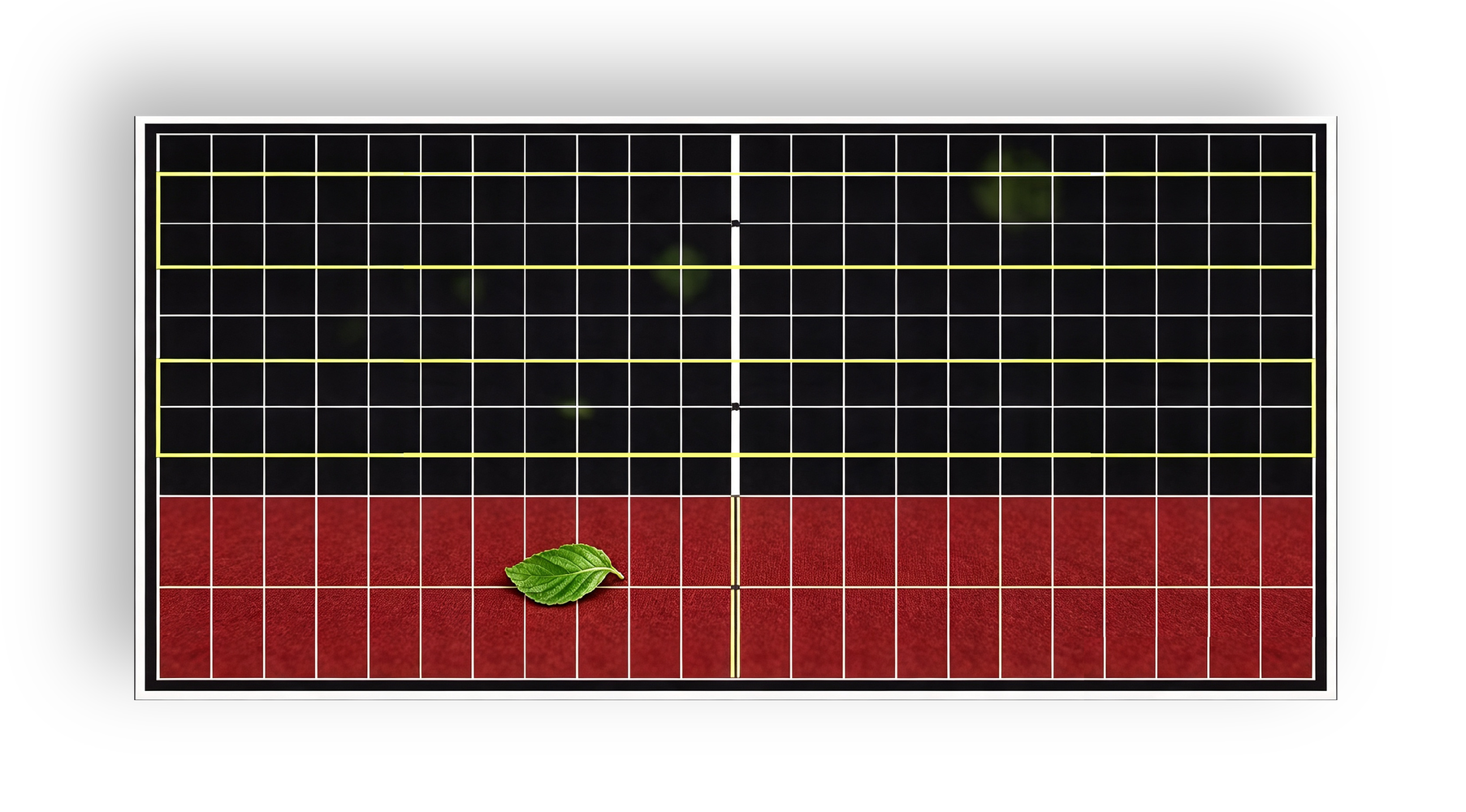
BC architecture enables cell level bypass under shade, suppressing hot spot formation to maximize safety and power output
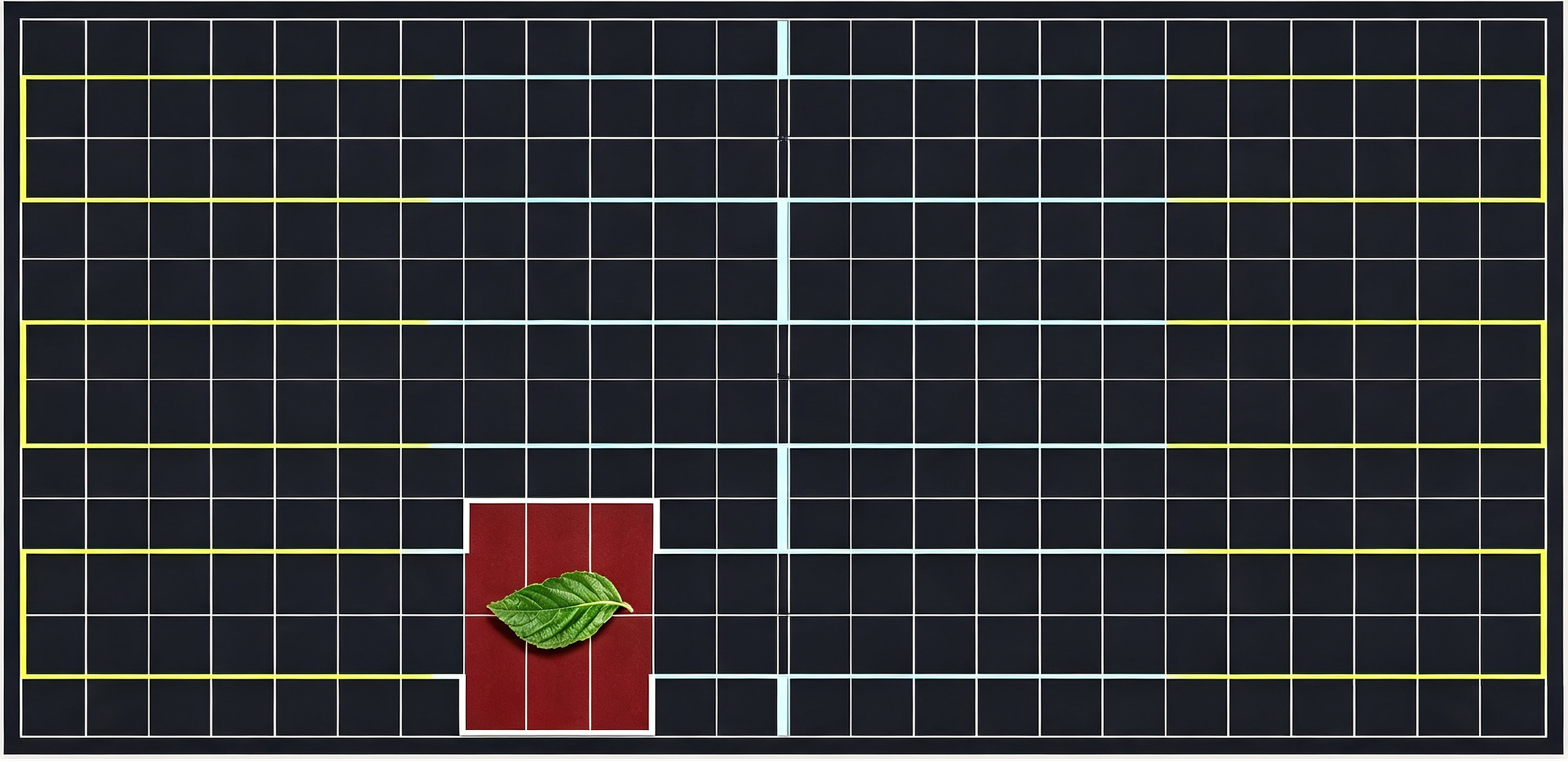

BCZenn
Single-cell shading activates localized current bypass, confining power loss strictly to the shaded area
Regular Module
Single-cell shading risks hot spot formation or full-string bypass activation, decreasing power output across entire cell strings

Optimized Temperature Coefficient
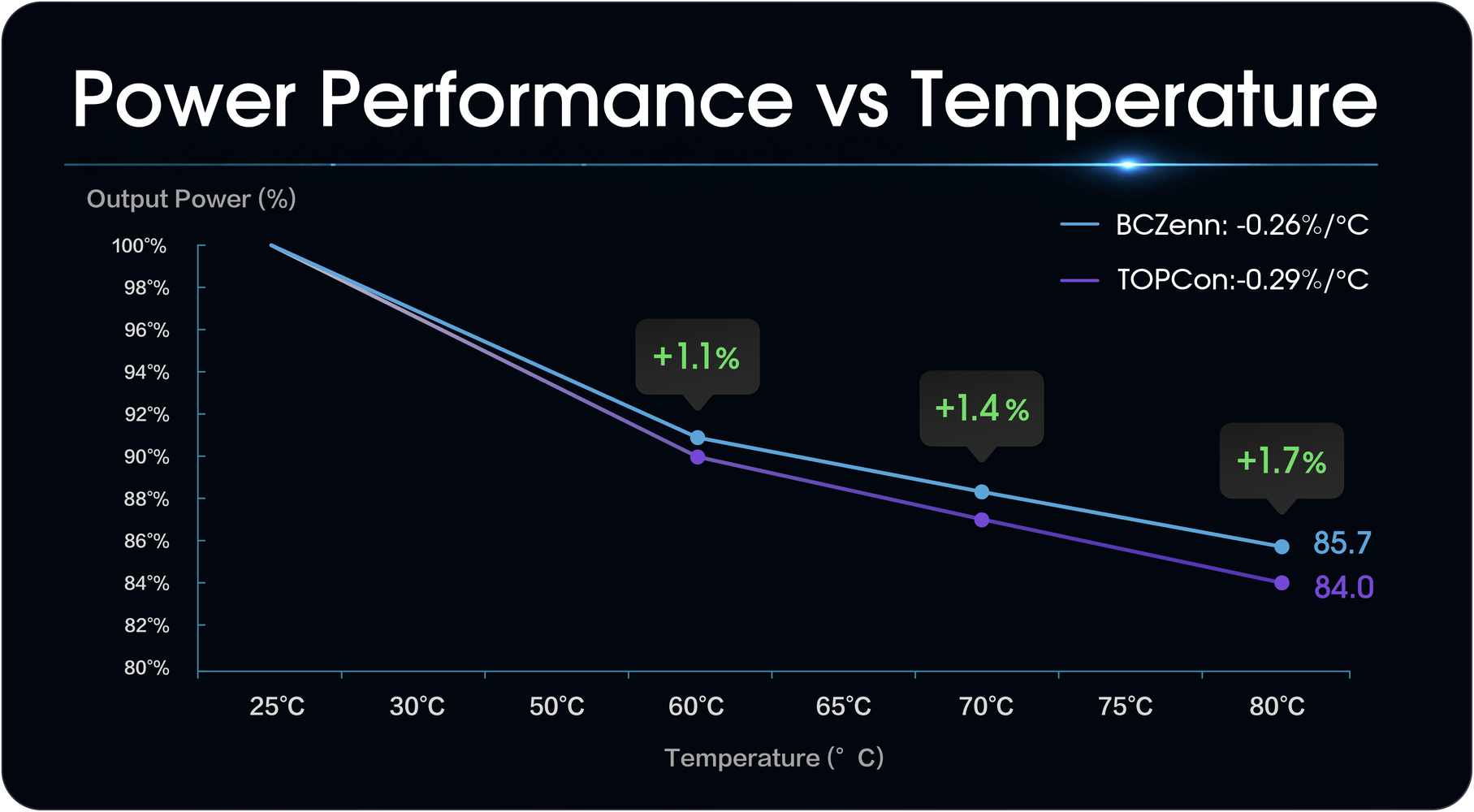
A low temperature coefficient minimizes heat-induced power drop keeping energy production high when roof temperatures peak
Microcrack Risk Mitigation
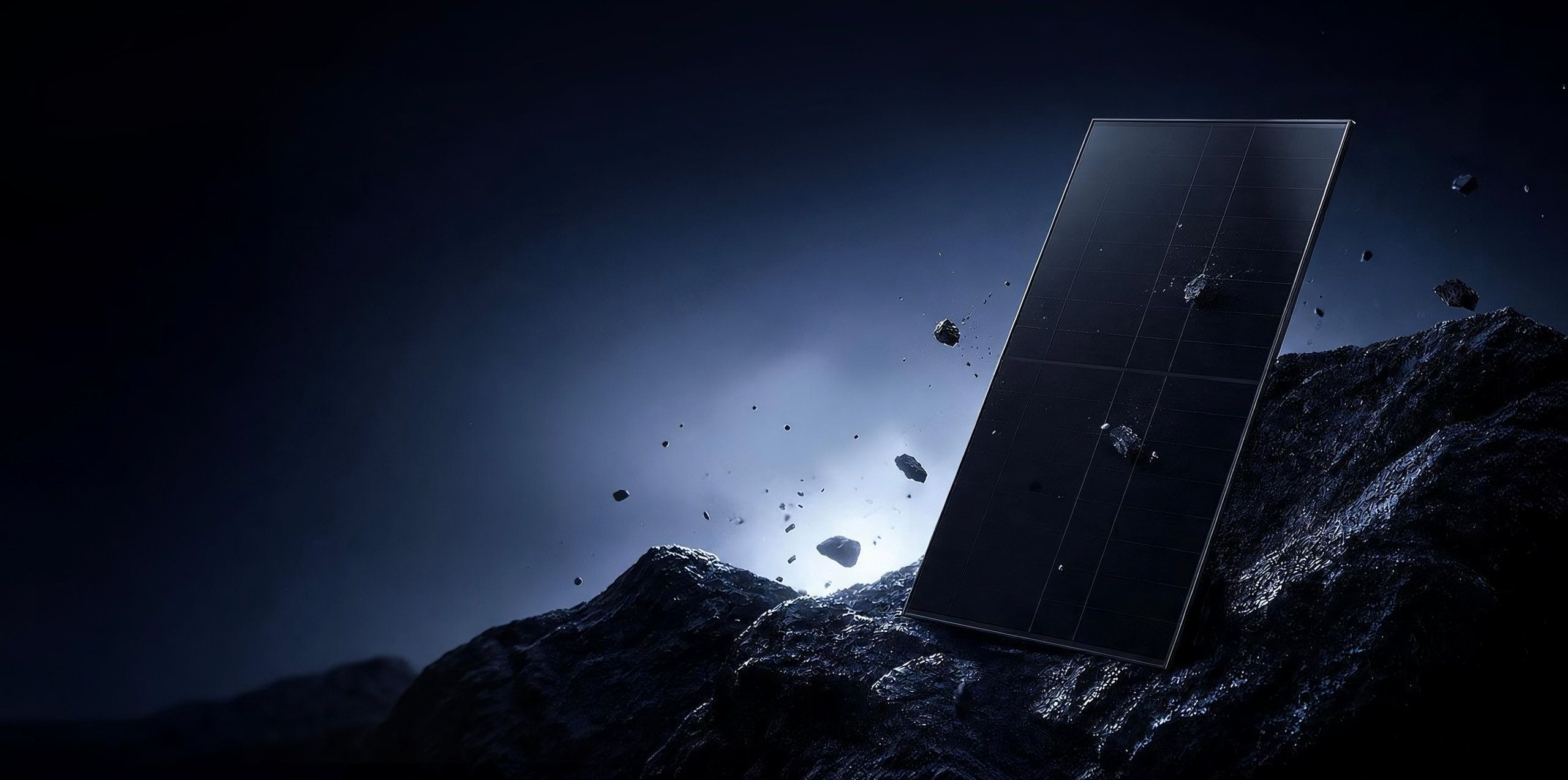
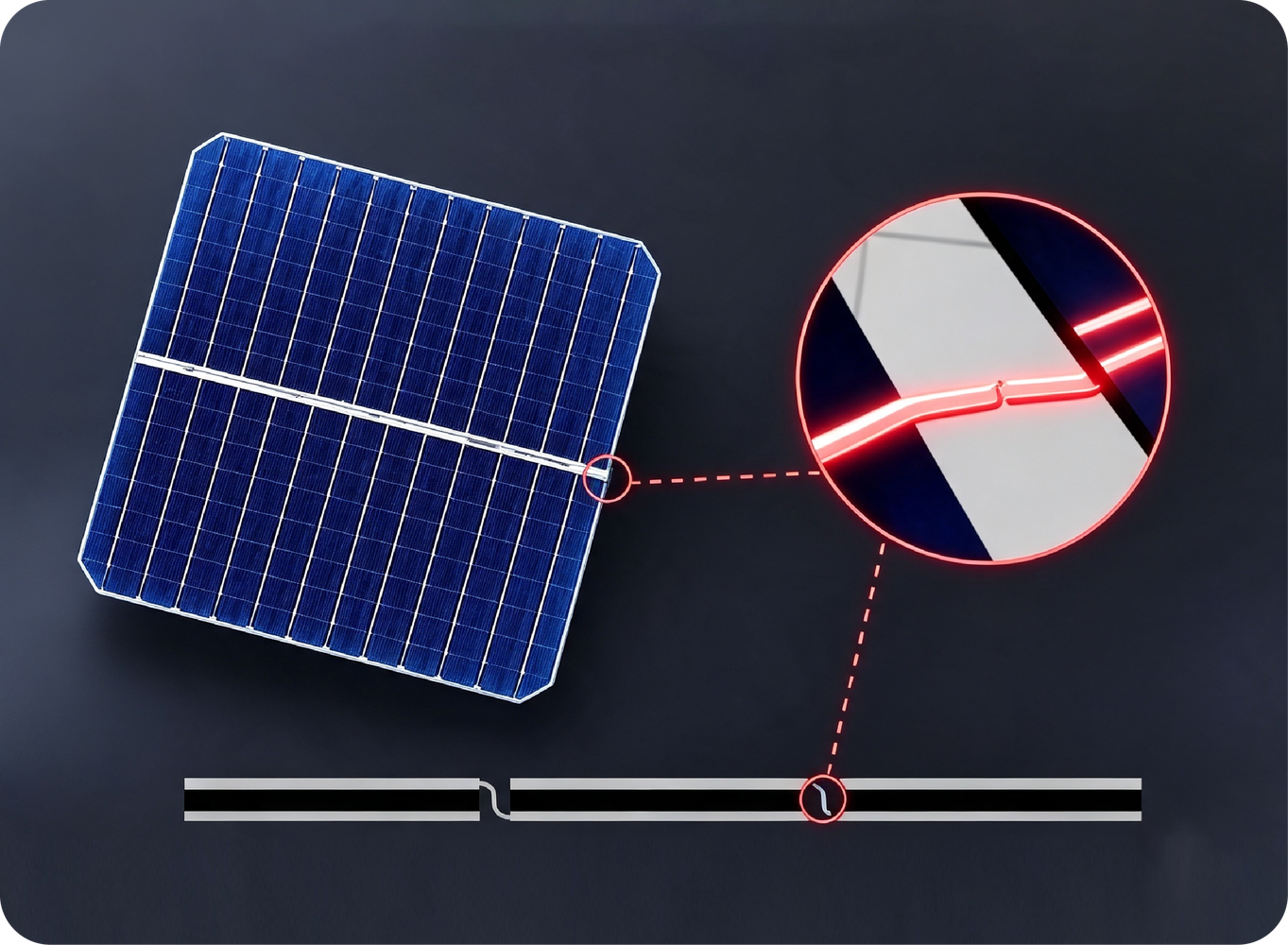
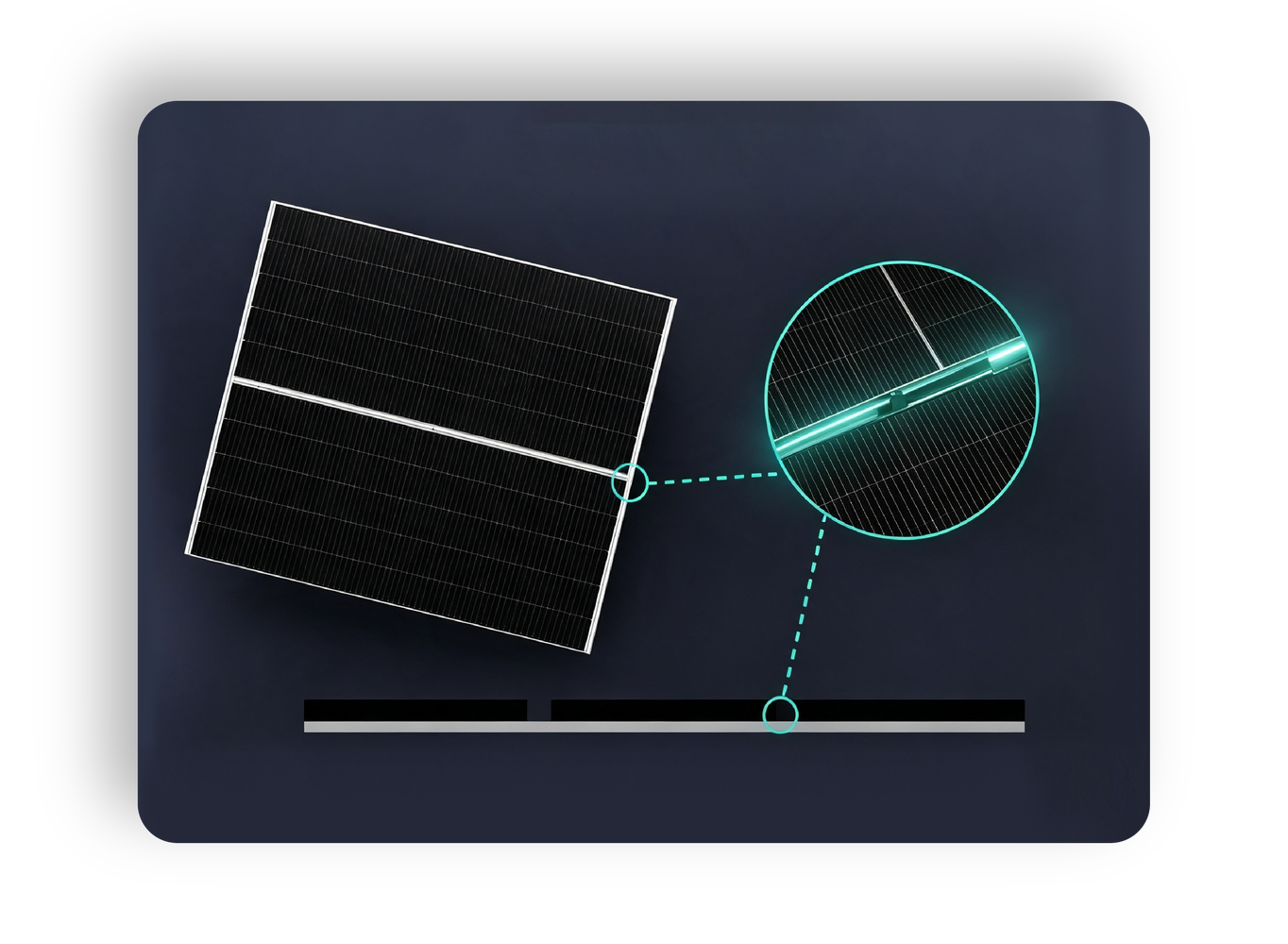
Rear-side interconnects reduce solder joint stress to mitigate micro-cracks and boost long-term durability
TOPCon
BCZenn