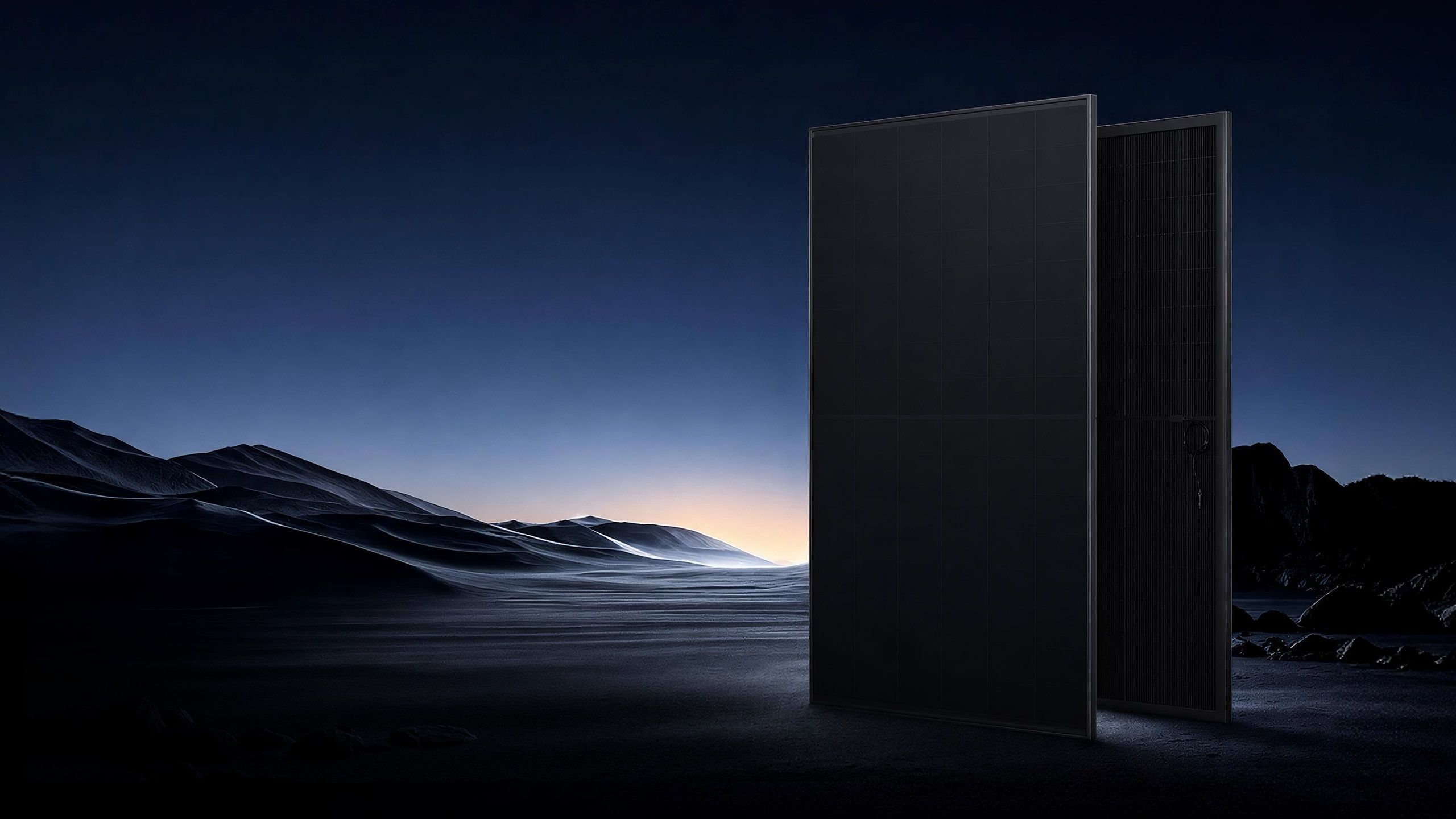
BCZenn All Black
All Black Back-Contact Solar Panels for Residential Rooftops
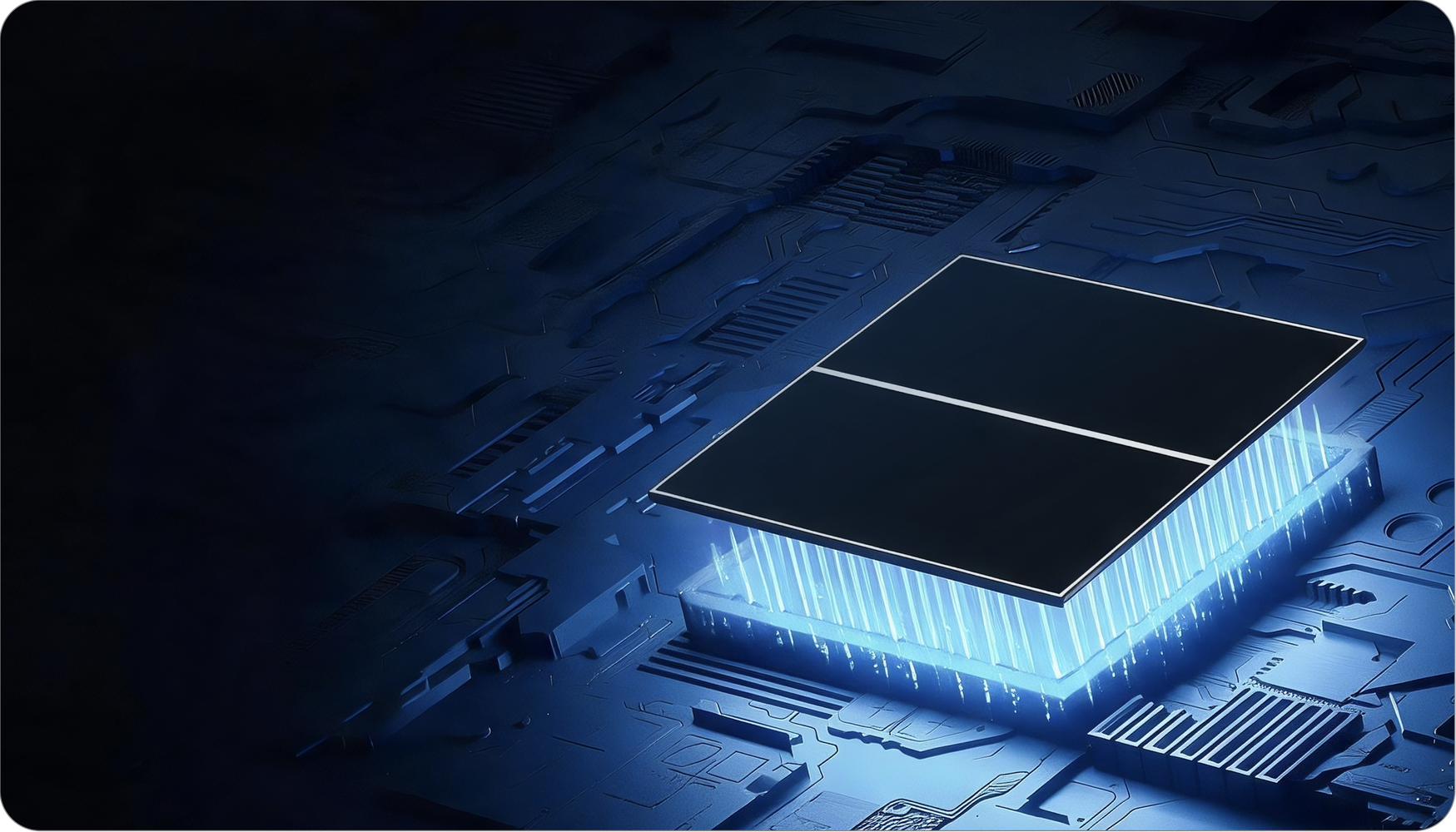
96 Half-Cut Back-Contact Cells
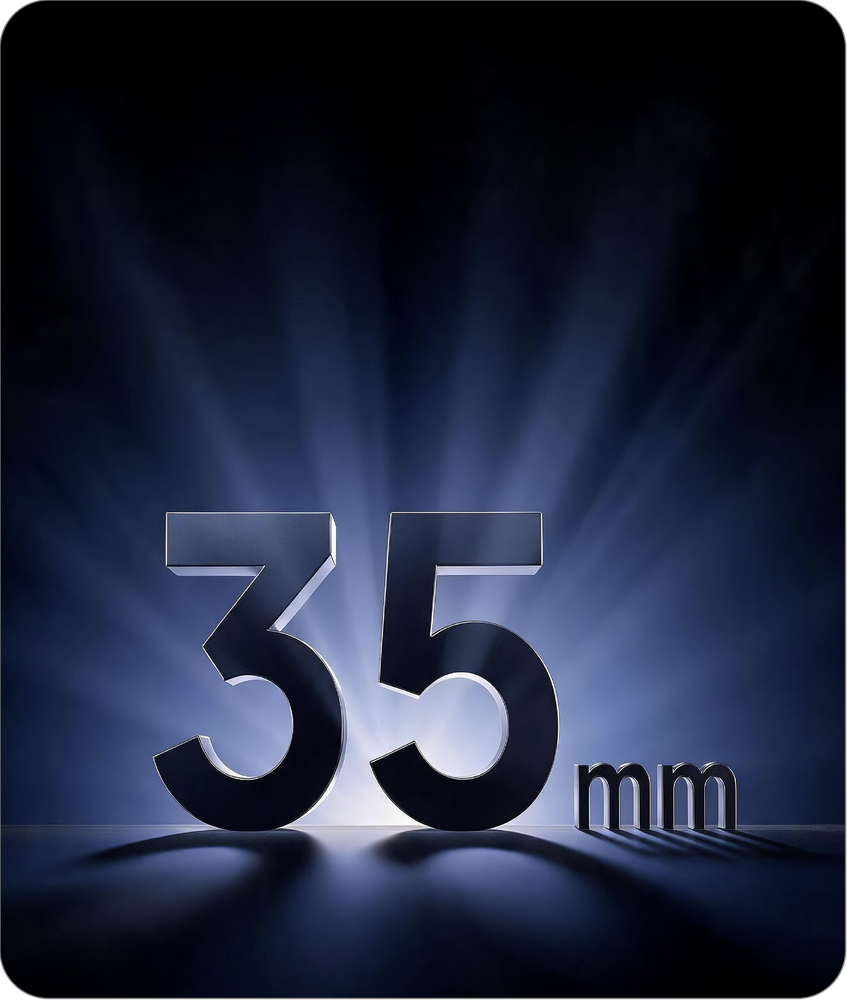
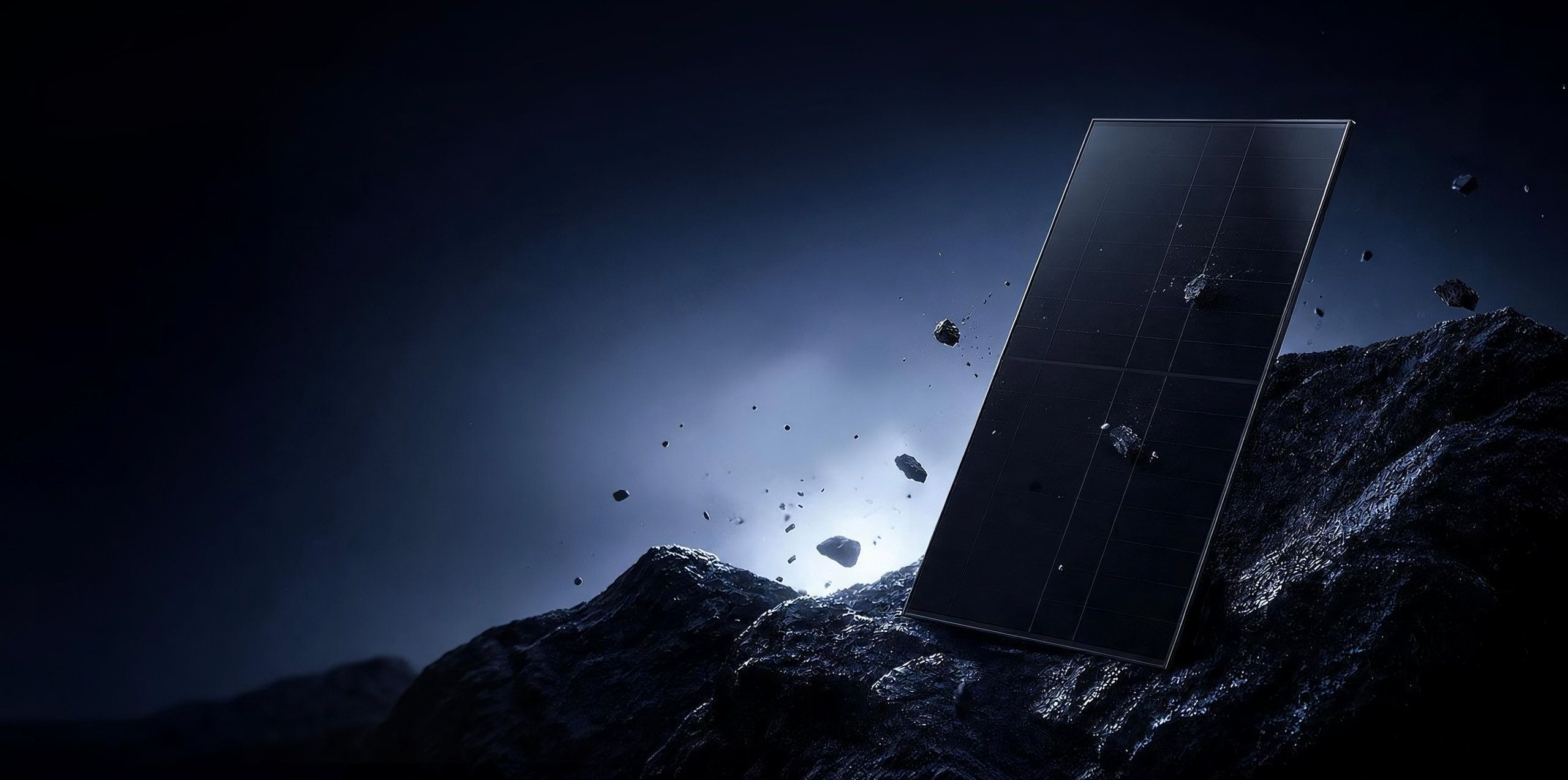
Impact Resistance
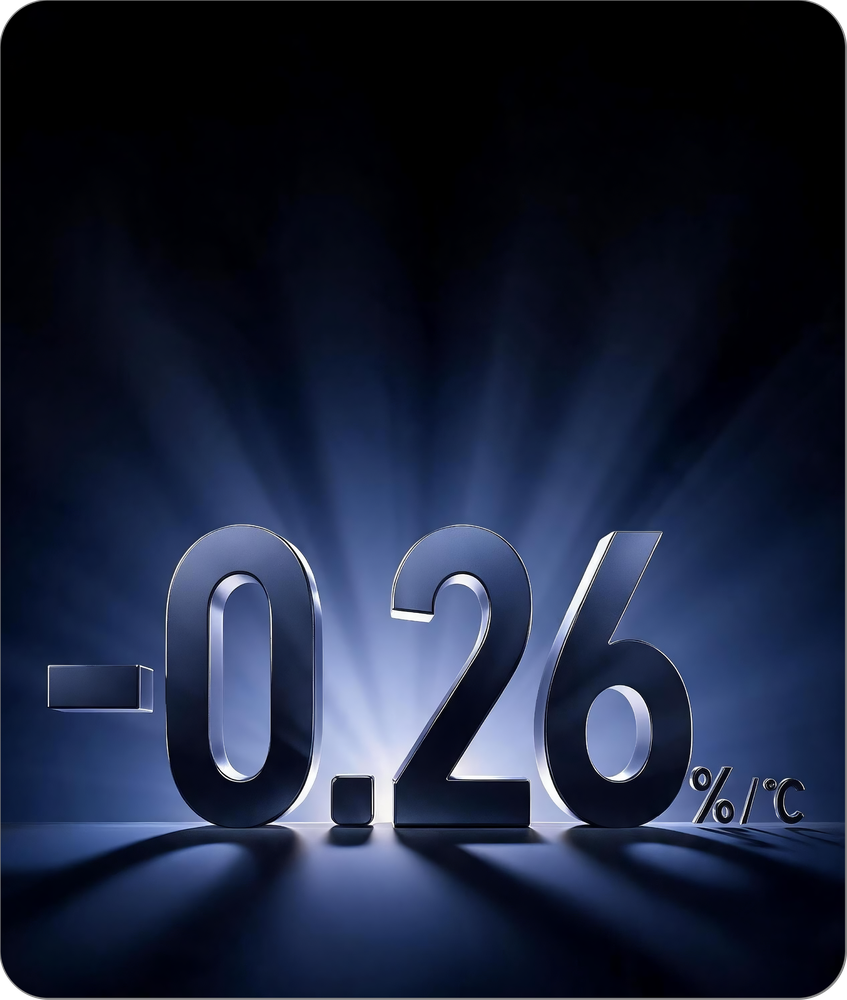
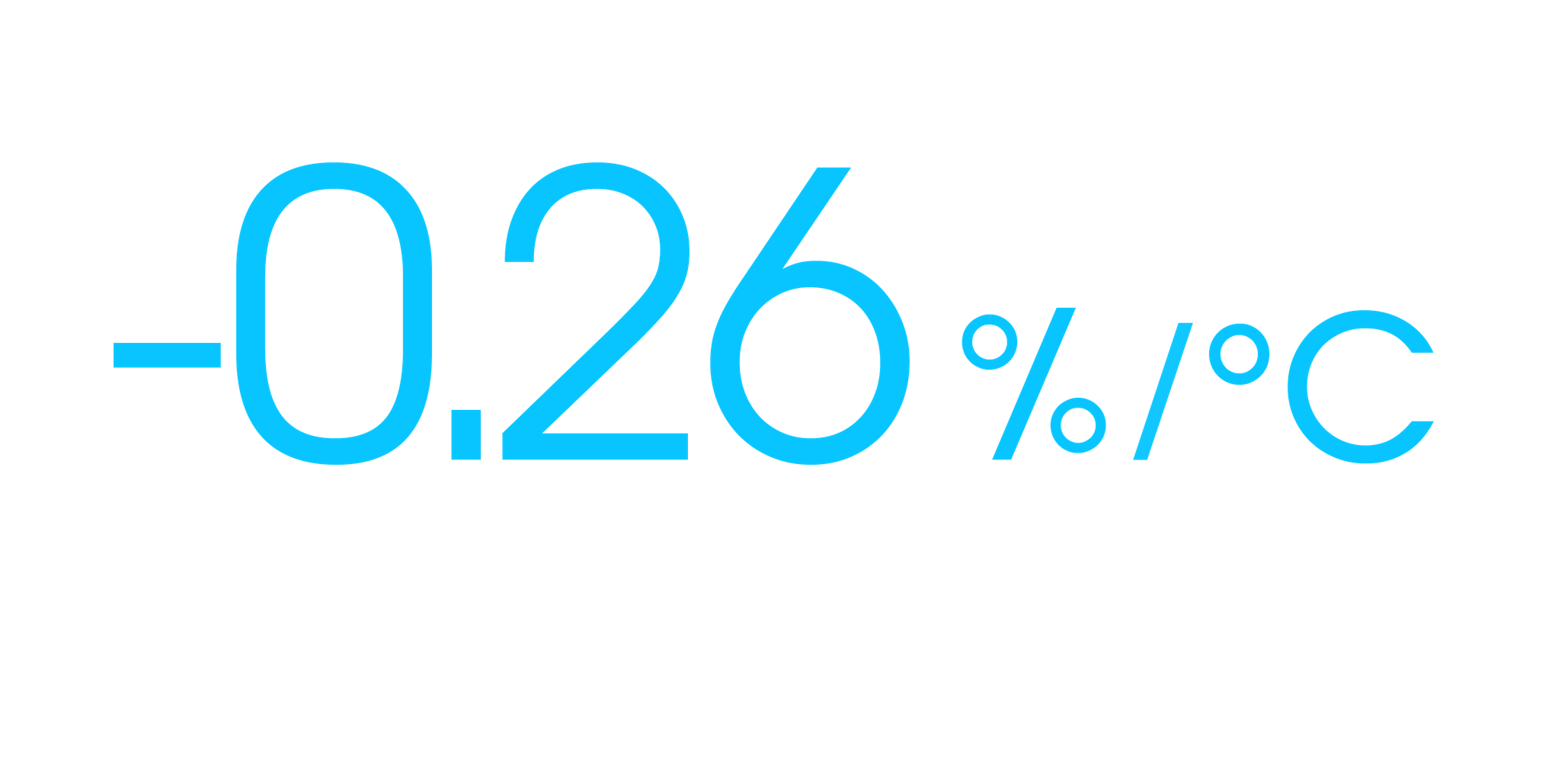
Temperature Coefficient
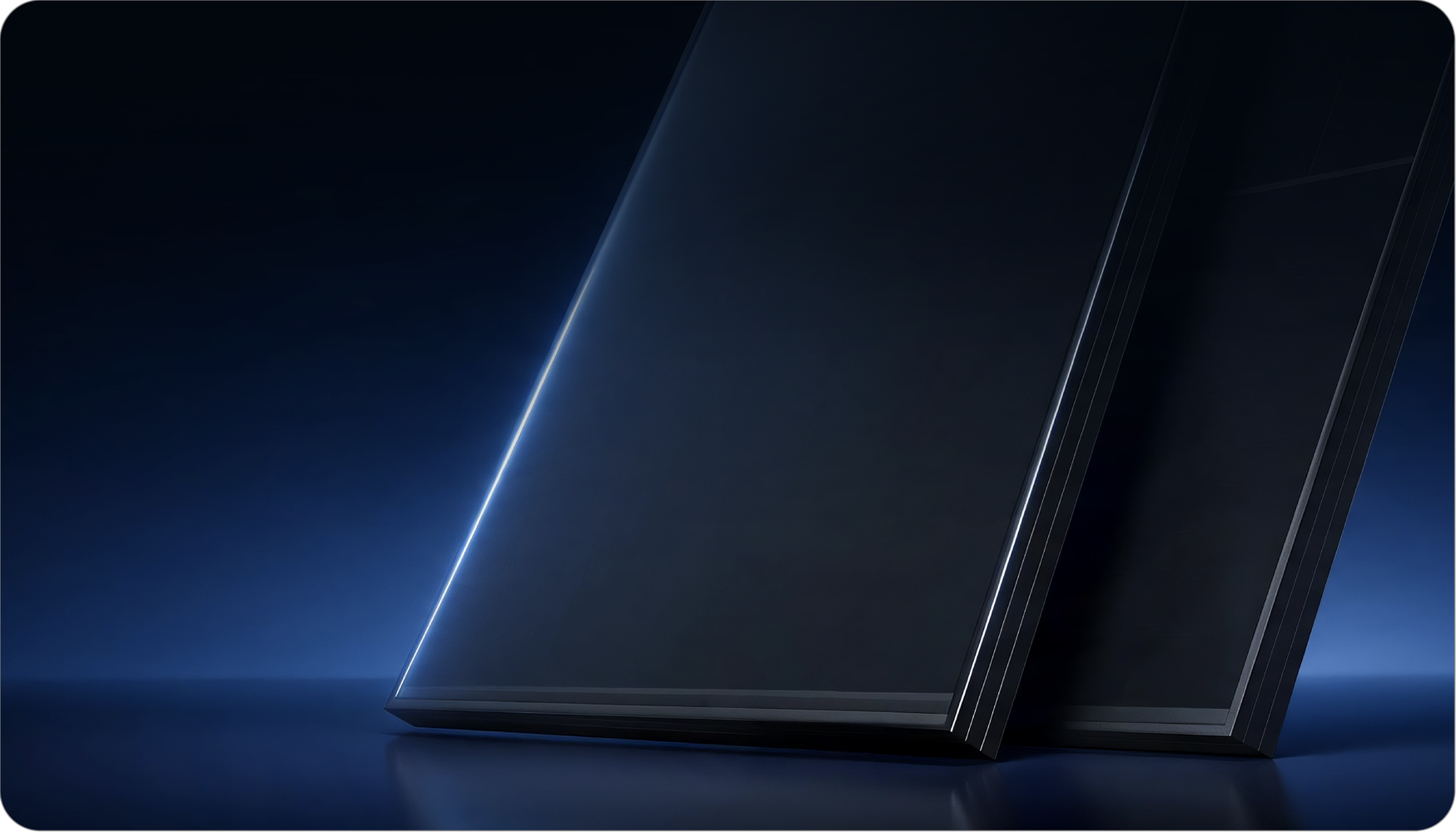
All Black

2.0 mm Framed Glass-Glass Construction
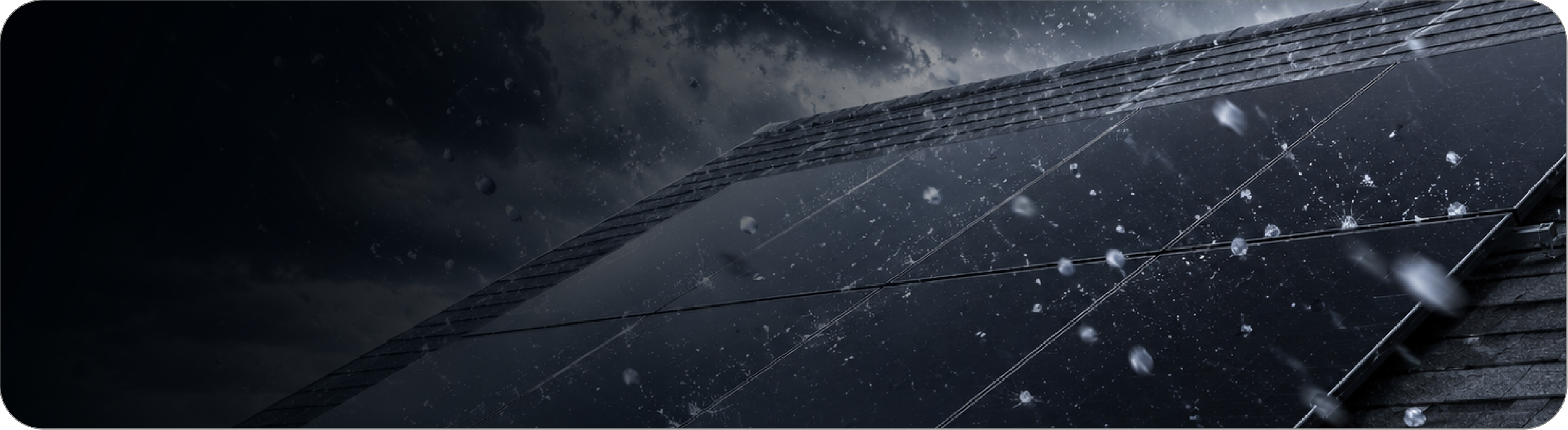
6000 Pa Snow Load 4000 Pa Wind Load
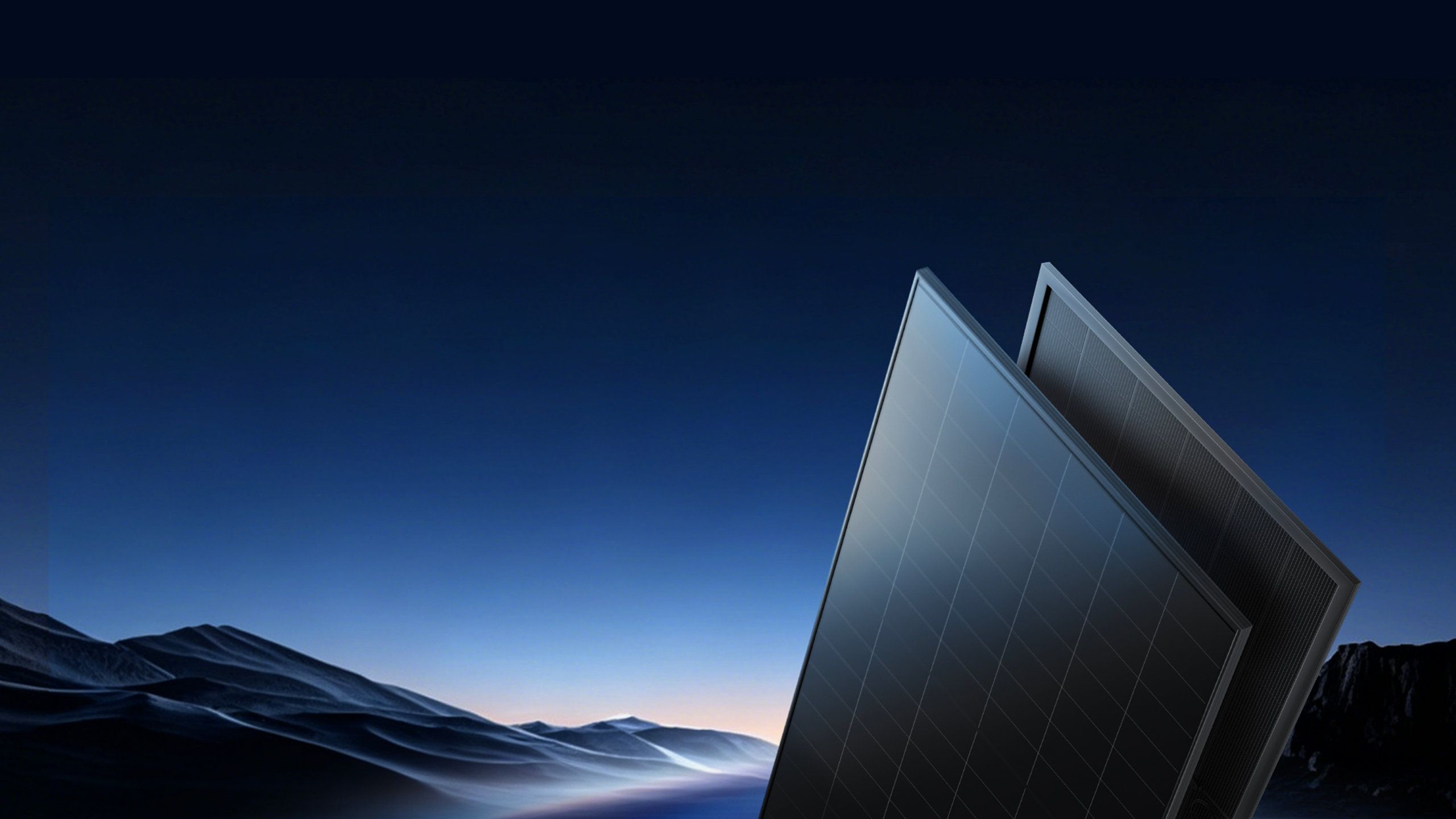
Market-Leading Efficiency
Back-contact design eliminates front gridline shading unlocking market-leading efficiency and maximum power density
BC-Z48G All Black
480W Max. Module Power
24.0% Max. Module Efficiency
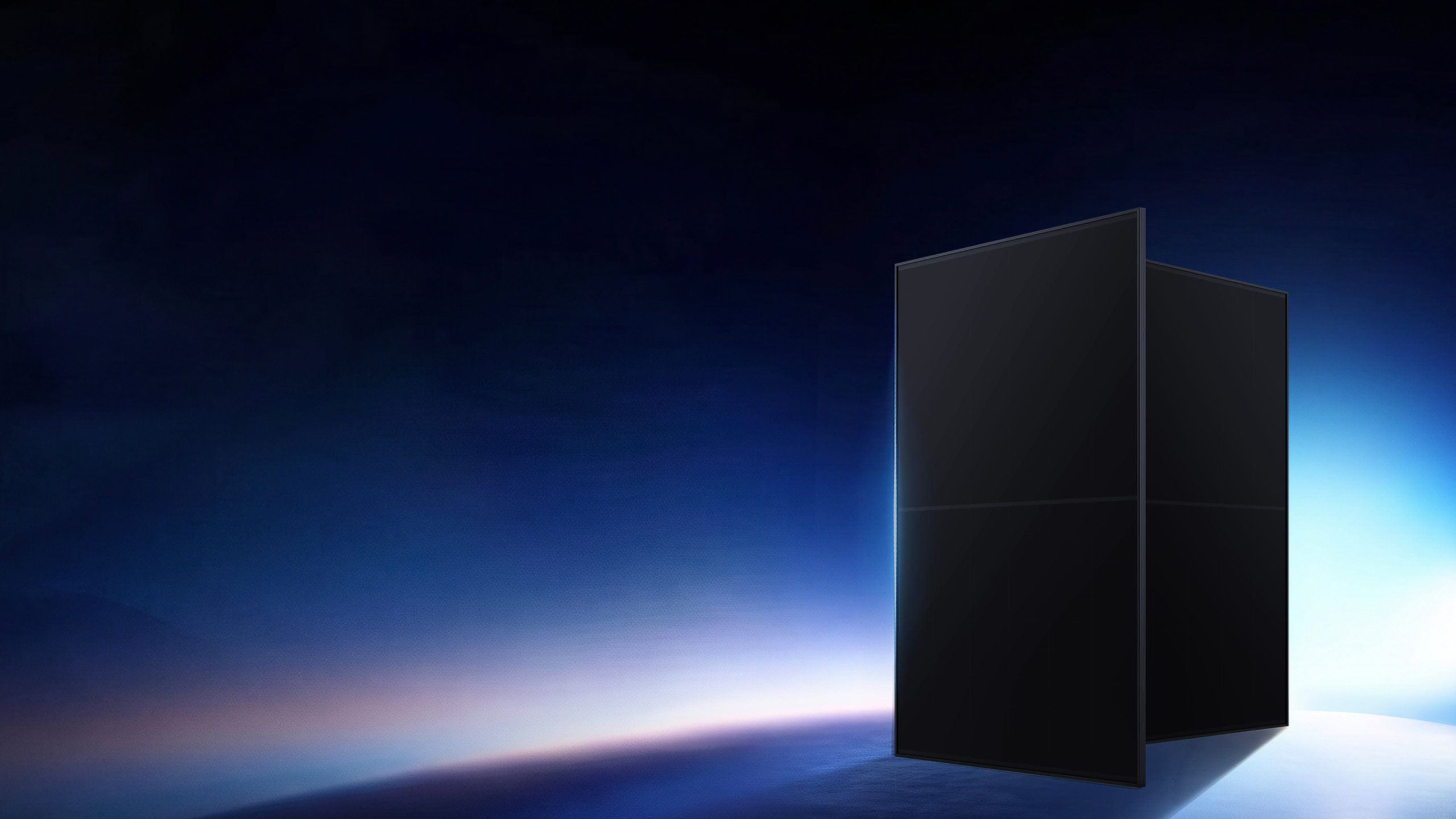
Superior Aesthetics
All-black, grid-free front surfaces create a sleek premium aesthetic for residential roofs and BIPV projects


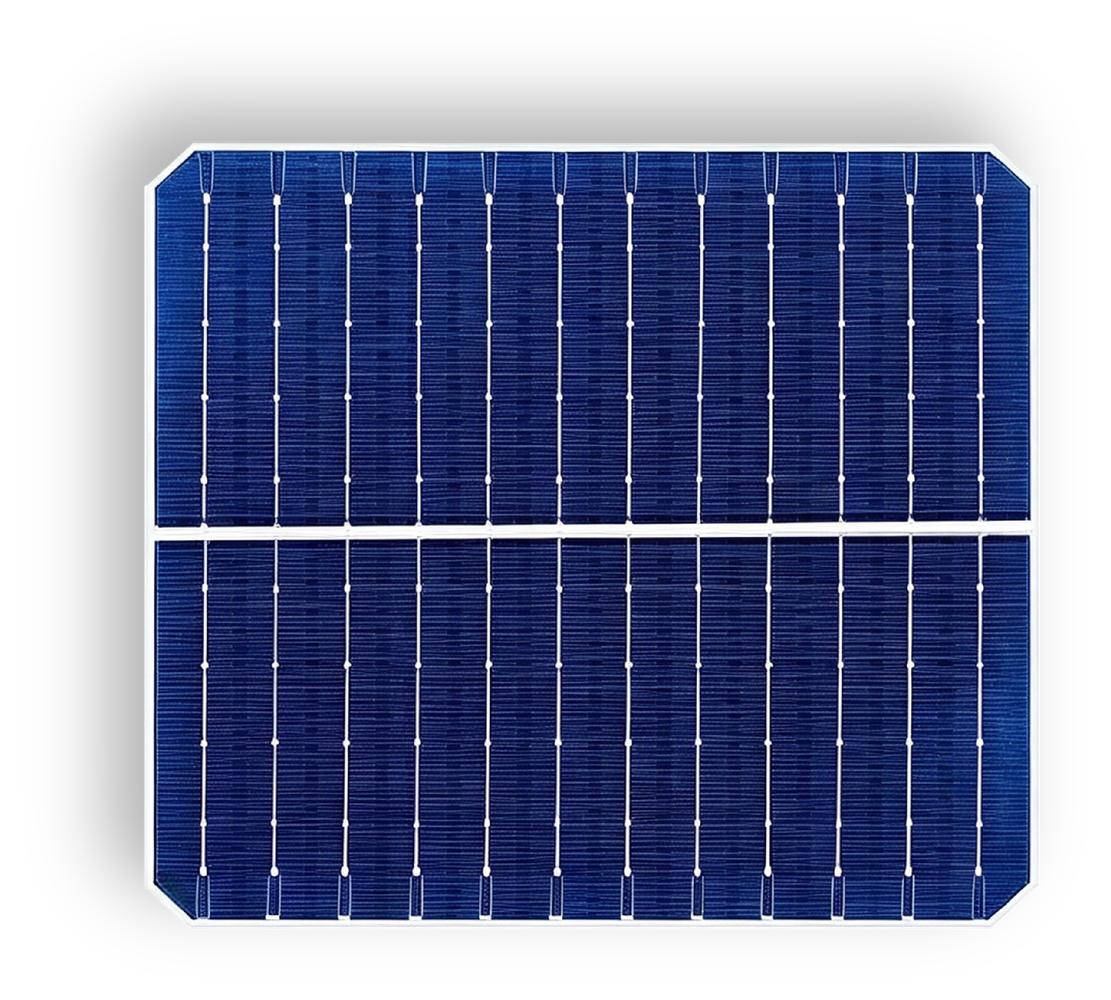
Grid-free front surface
Traditional module with visible gridlines
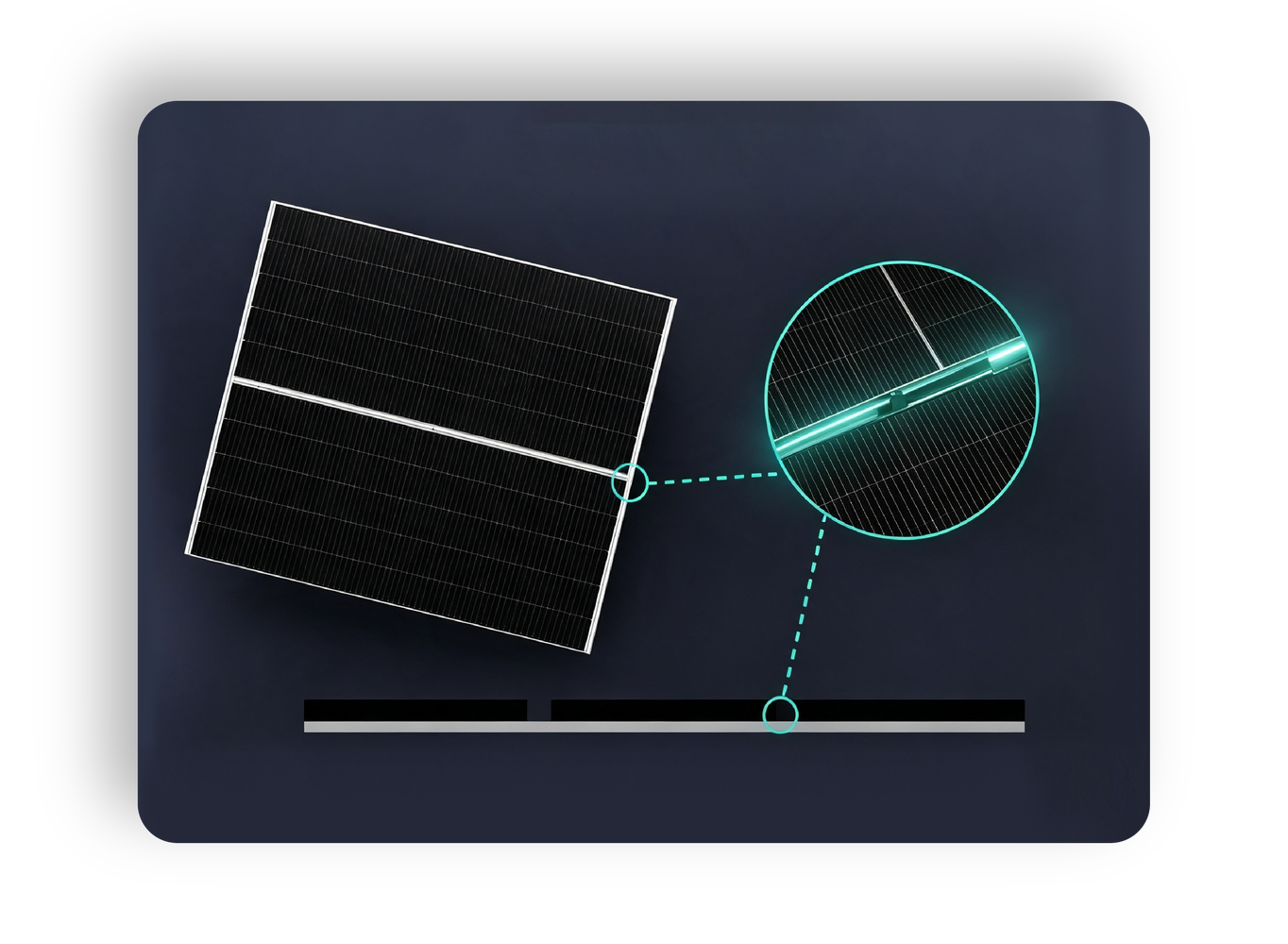
Advanced Hot Spot Protection
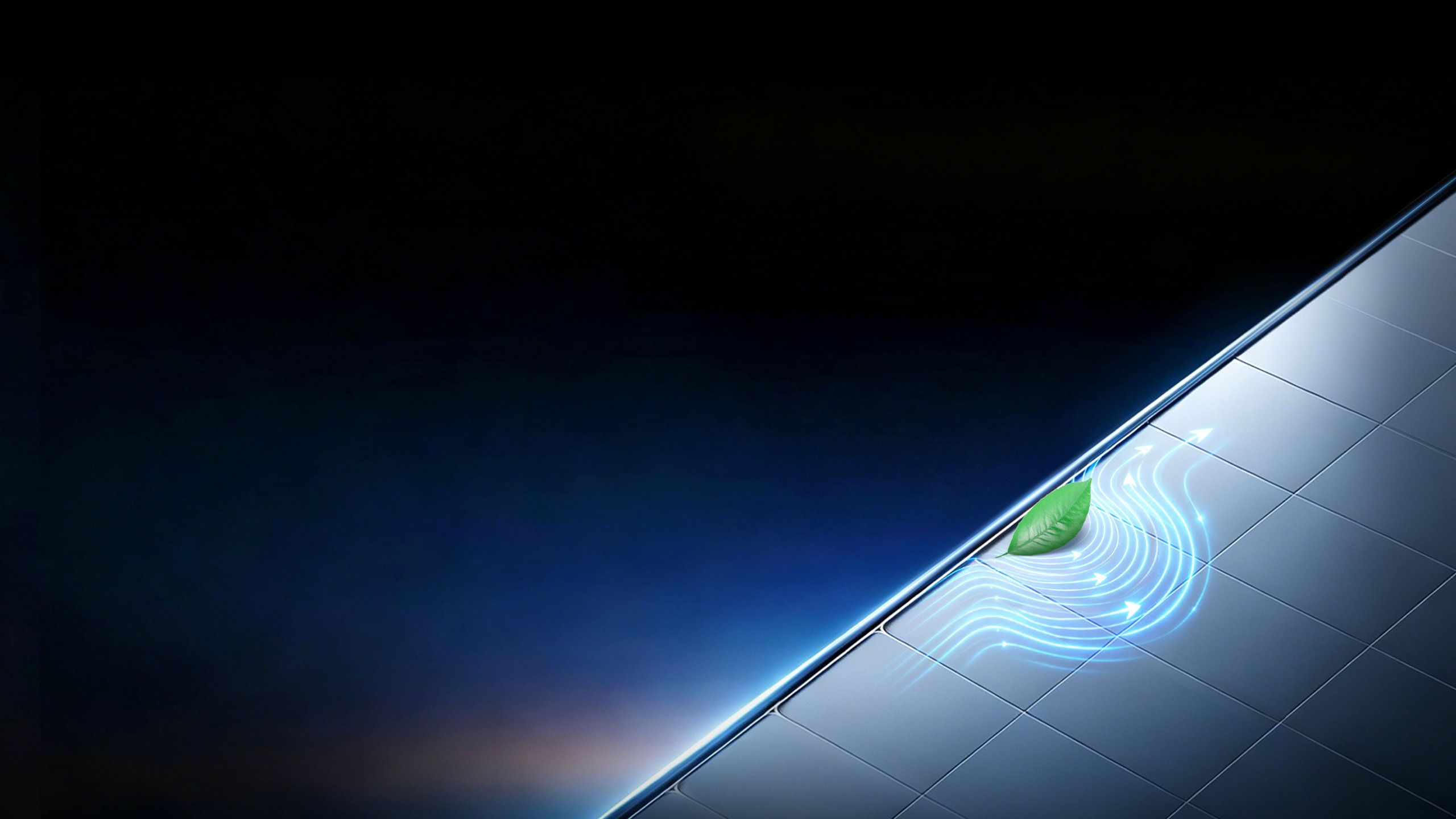
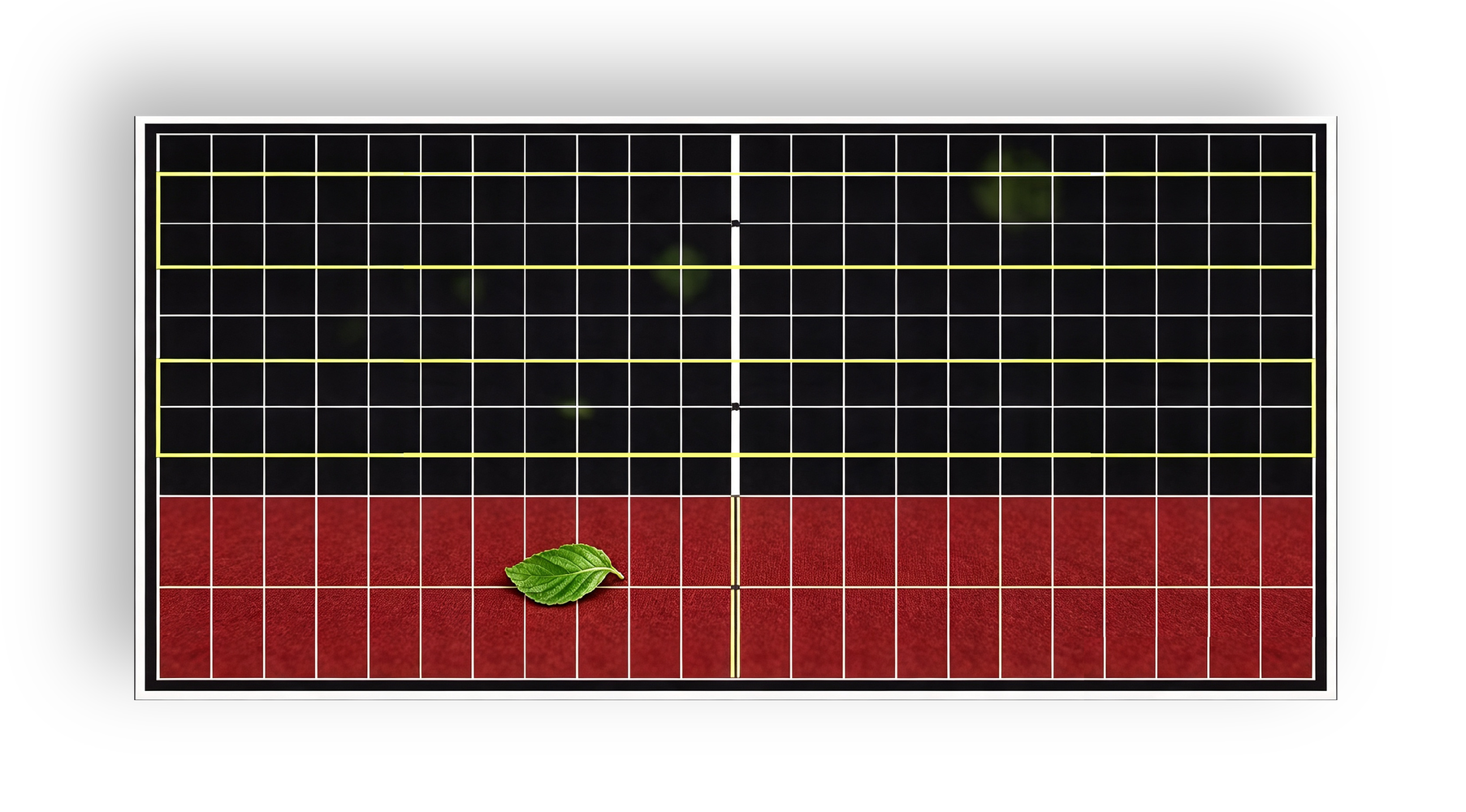
BC architecture enables cell level bypass under shade, suppressing hot spot formation to maximize safety and power output
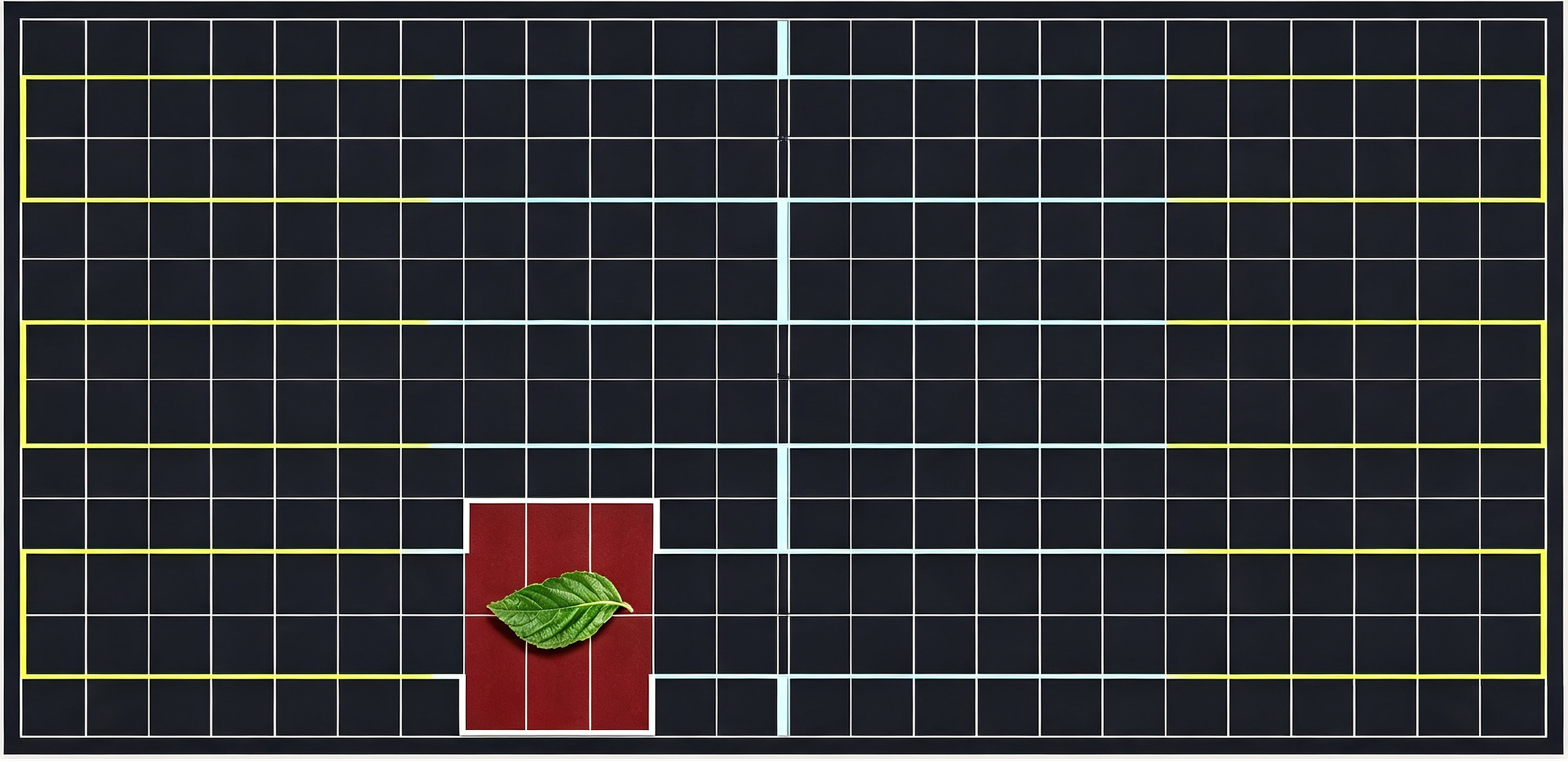
BCZenn
Single-cell shading activates localized current bypass, confining power loss strictly to the shaded area
Regular Module
Single-cell shading risks hot spot formation or full-string bypass activation, decreasing power output across entire cell strings

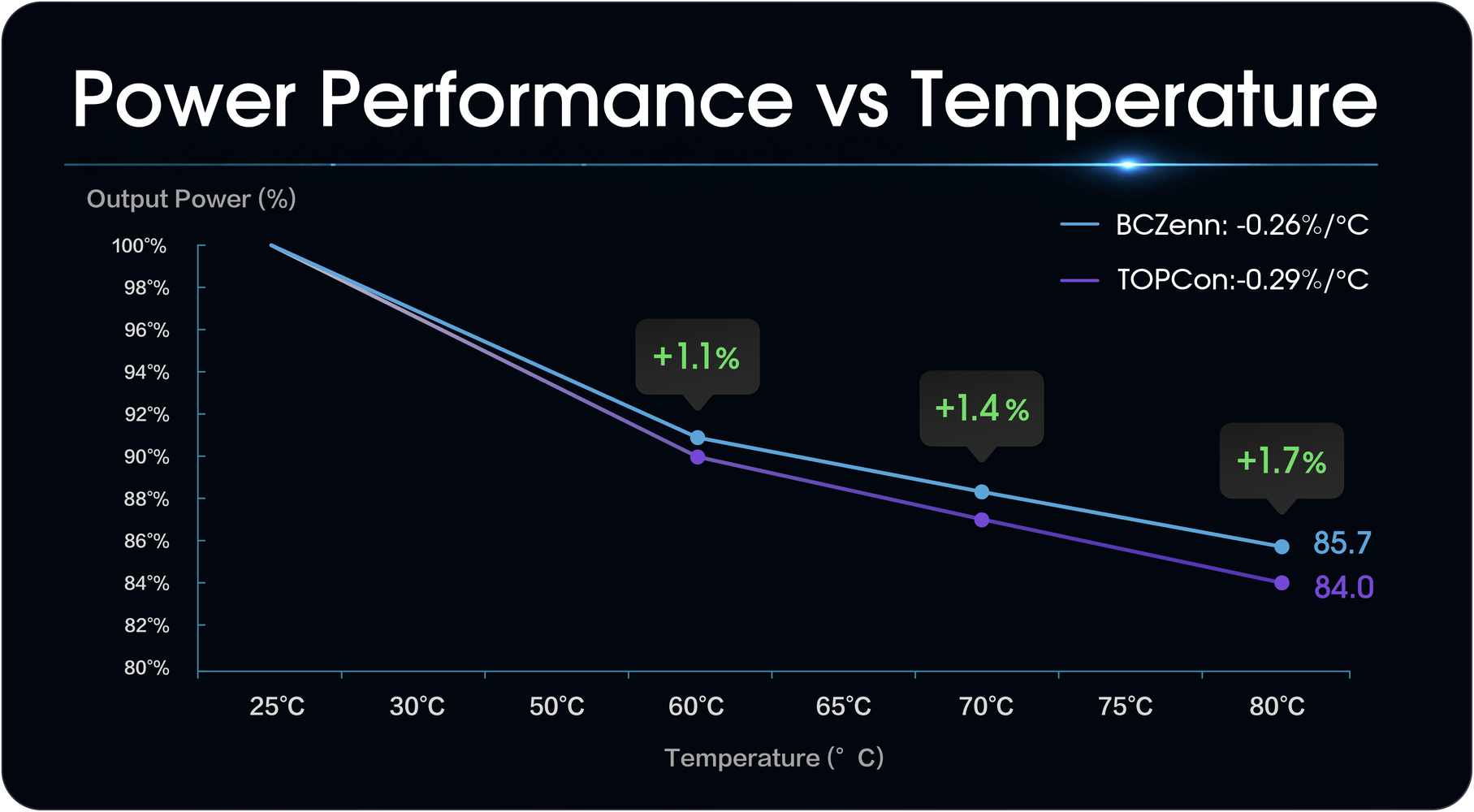
Optimized Temperature Coefficient
A low temperature coefficient minimizes heat-induced power drop keeping energy production high when roof temperatures peak
Microcrack Risk Mitigation
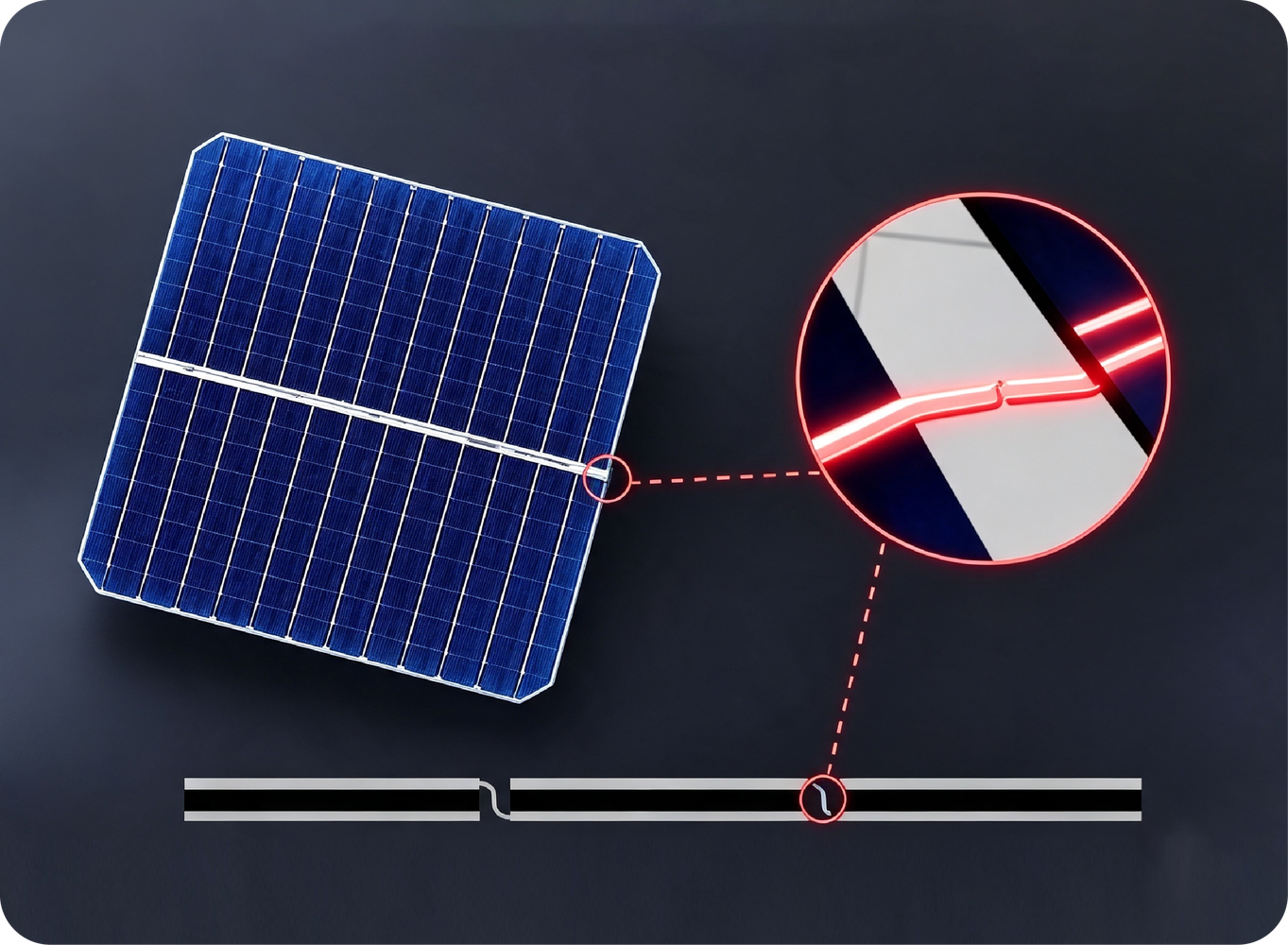
Rear-side interconnects reduce solder joint stress to mitigate micro-cracks and boost long-term durability
TOPCon
BCZenn